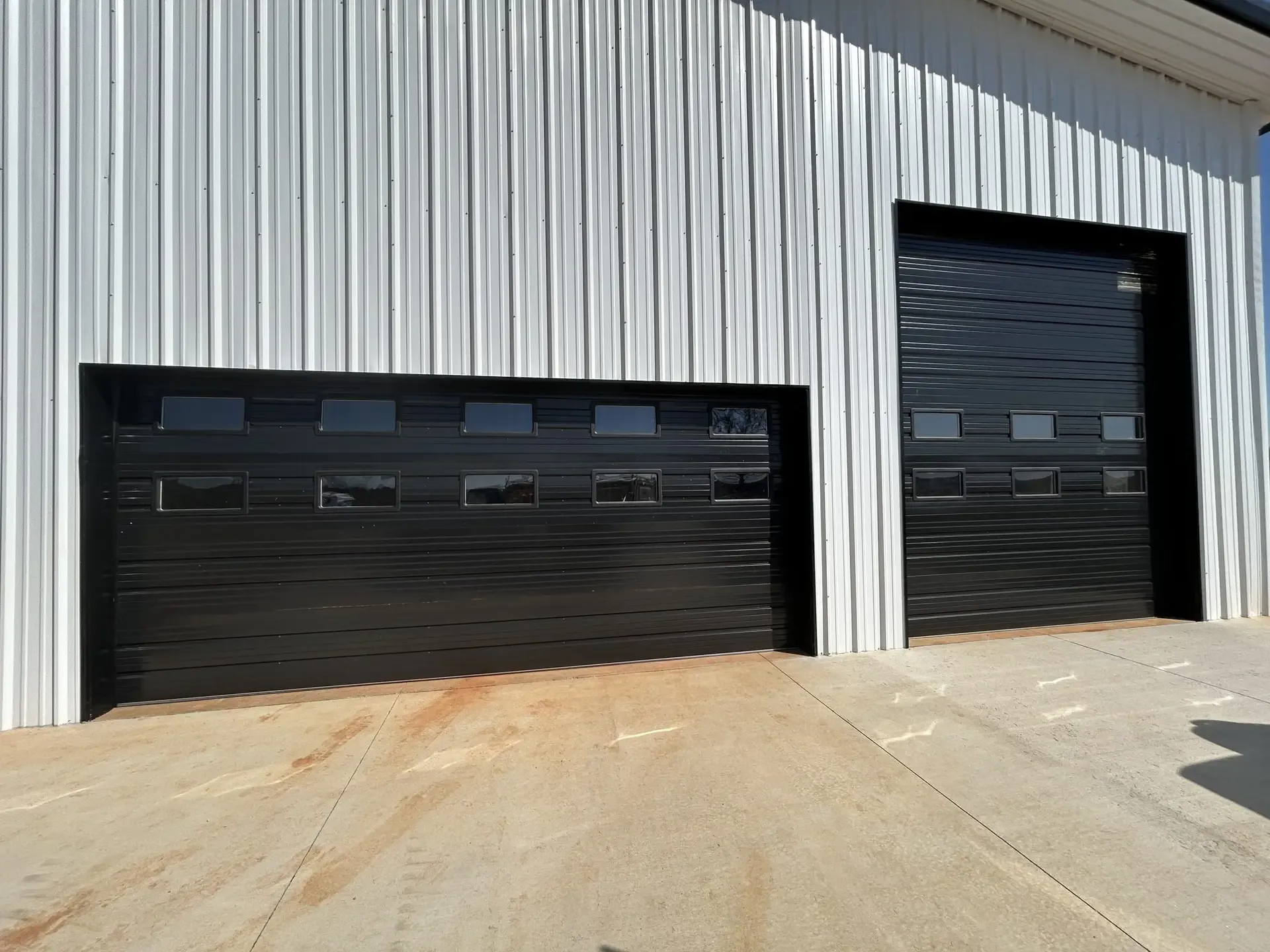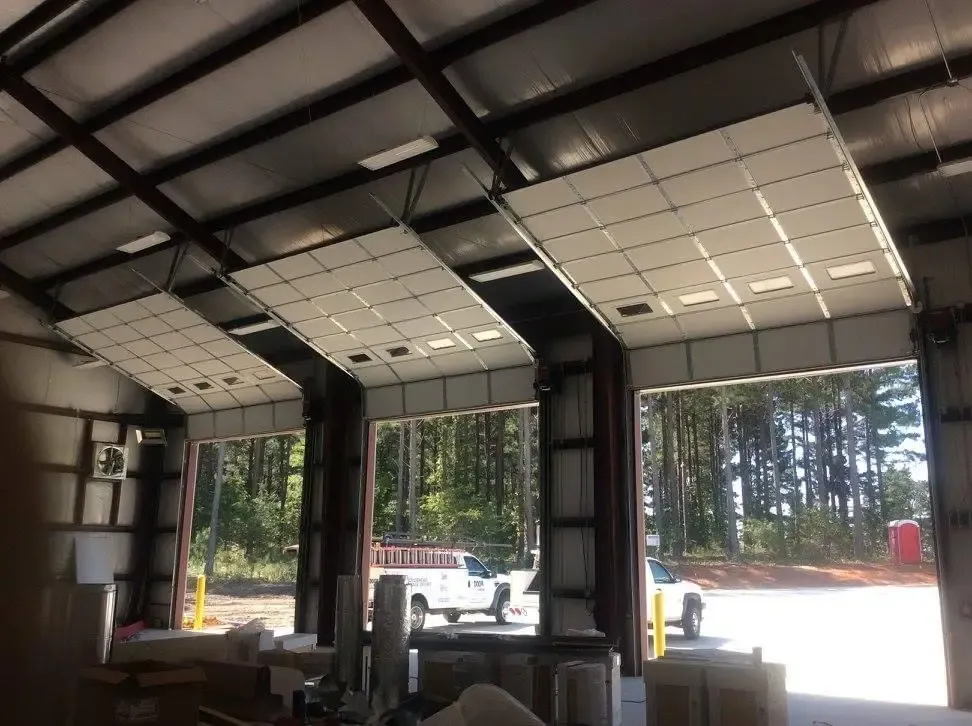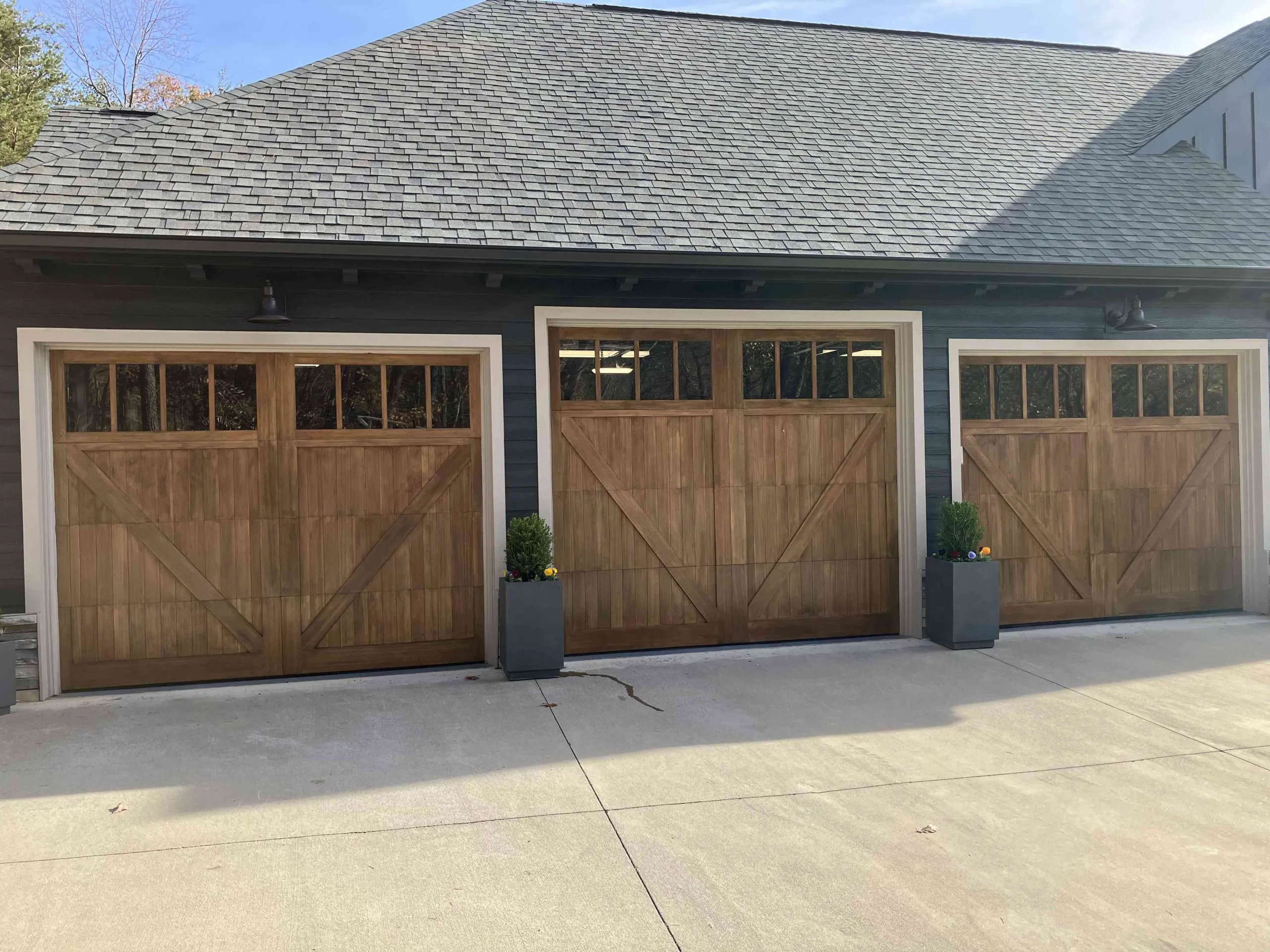
Learn about typical gate installation mistakes and how you can avoid costly repairs and reinstallation down the road.
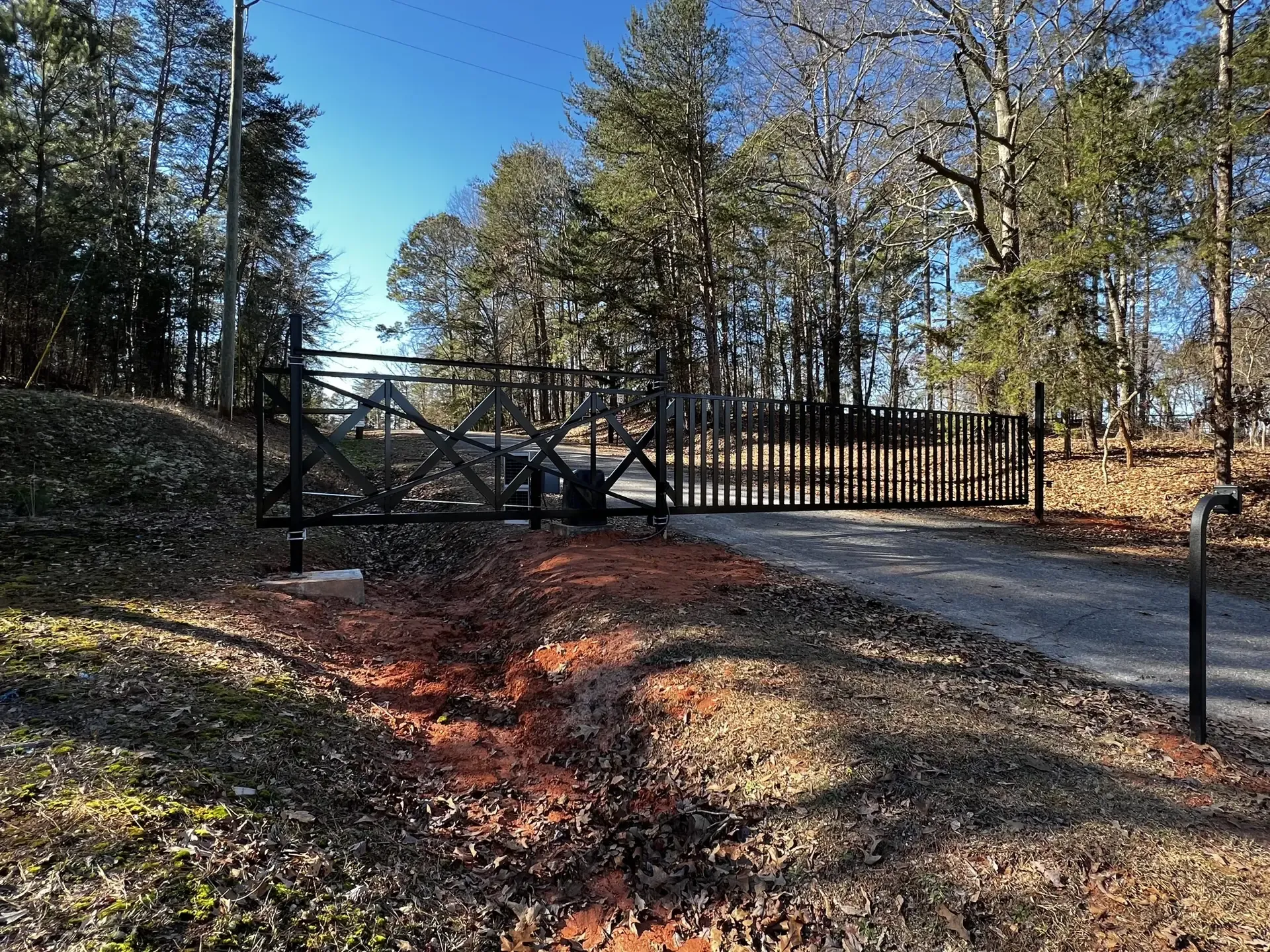
A gate serves as the first line of defense for your property, combining security, privacy, and curb appeal into one functional feature. However, a large percentage of automatic gates require adjustment or repairs due to installation errors. In some situations, improper gate installation can lead to injuries, especially if safety standards have not been met.1
At Door Tech, we have seen it all when it comes to gate installation gone wrong. From structural failures to operational nightmares, most problems stem from preventable errors during the installation process.
If you are considering residential gate installation, understanding common pitfalls can save you thousands of dollars and countless headaches down the road. This guide will walk you through the most frequent mistakes homeowners and inexperienced installers make, and more importantly, how to avoid them.
Mistake #1: Inadequate Foundation and Post Installation
The foundation is quite literally what holds everything together. Without proper post installation, even the most high-quality gate will eventually sag, bind, or fail completely. This is one of the most common issues we encounter during residential gate repair calls.
Common foundation mistakes include:
- Setting posts in soil without concrete, leading to shifting and instability
- Using insufficient concrete depth (posts should be set at least 1/3 of their total height underground, typically 24 to 36 inches)
- Failing to account for frost lines in colder climates, causing heaving and misalignment
- Not allowing adequate curing time before hanging the gate (concrete needs about 48 to 72 hours minimum)
- Using posts that are too small for the gate’s weight and wind load
How to avoid this mistake:
Professional entry gate installers know that taking the extra time on foundation work prevents 90 percent of future structural issues and that the key to a lasting gate installation is patience and proper planning. For residential driveway gates, we recommend using 4×4-inch posts minimum for lighter gates and 6×6-inch posts for heavier gates or those in high-wind areas.
The post holes should be three times the diameter of the post and deep enough to extend below the frost line. Always use fast-setting concrete rated for outdoor use, and consider adding gravel at the bottom of the hole for drainage. If you are working with clay soil or areas with poor drainage, you may need to install drainage pipes or use larger concrete footings to prevent water-related shifting.
Mistake #2: Choosing the Wrong Gate for Your Application
Not all gates are of the same quality in terms of design and build. Selecting the wrong type or material for your specific needs is a costly mistake. The gate that looks perfect in a catalog might be completely inappropriate for your property’s requirements.
Mismatched gate selections often involve:
- Installing lightweight gates in high-wind areas where they can be damaged or become dangerous
- Choosing solid panel gates in locations that require visibility for safety
- Selecting wood gates (without proper treatment) in climates with high humidity
- Installing automated systems on gates that are too heavy for the motor
- Overlooking local HOA regulations or municipal codes
How to avoid this mistake:
Before settling on a gate design, consider these factors
- Climate conditions
- Intended use (security vs. aesthetics)
- Visibility requirements for vehicles
- Maintenance commitment
- Gate installation cost
A professional consultation for home gate installation should always include a site assessment that evaluates wind exposure, grade changes, and traffic patterns. For Greenville properties, where we experience humid summers and occasional ice storms, we typically recommend materials like powder-coated aluminum or treated steel that can withstand moisture and temperature fluctuations. Wood gates, while beautiful, require annual maintenance to prevent rot and warping in our climate.
Mistake #3: Improper Gate Sizing and Clearance
Gate sizing errors are shockingly common and can render your entire installation useless. A gate that is too wide will sag; one that is too narrow looks awkward and defeats the purpose of having a gate at all.
Sizing problems include:
- Measuring the opening incorrectly, forgetting to account for hardware and hinges
- Ignoring ground clearance, causing gates to drag on driveways or paths (especially problematic with seasonal ground shifting)
- Failing to plan for adequate swing clearance, particularly on sloped driveways
- Not considering vehicle clearance for residential driveway gates, resulting in difficulty entering/exiting
- Overlooking vegetation growth that will eventually interfere with gate operation
How to avoid this mistake:
Accurate measurement is crucial. For swing gates, you need to measure the opening width and account for 1/4 to 1/2 inch clearance on each side for the gate to swing freely. Also, factor in the width of hinges and latch hardware. The bottom of your gate should have 3 to 4 inches of ground clearance on level surfaces, and potentially more on sloped driveways where you need to account for the arc of the swing.
Professional gate installation services will use laser levels and digital measuring tools to ensure accuracy. They also evaluate the property over time, considering how seasonal changes, settling, or landscape growth might affect the gate’s operation years down the road.
Mistake #4: Using Inadequate or Incorrect Hardware
Hardware might seem like a minor detail, but it is the critical link between all your gate components. Cheap or improperly rated hardware is one of the fastest ways to turn a quality gate into a maintenance nightmare.
Hardware mistakes include:
- Using hinges rated for less weight than the actual gate, causing stress and failure
- Installing exterior hardware without proper weather-resistant coatings, leading to rust and corrosion
- Selecting decorative hardware that fails to meet functional requirements
- Mismatching hardware metals, causing galvanic corrosion2
- Skimping on the number of hinges needed for proper weight distribution
How to avoid this mistake:
Always overspec your hardware rather than underspec. If your gate weighs 200 pounds, for instance, use hinges rated for 300 to 400 pounds. For coastal or high-humidity areas, stainless steel hardware is worth the investment. The same applies to latches, locks, and automation components.
A complete residential gate installation should include heavy-duty strap hinges or weld-on hinges for metal gates, commercial-grade latches with adjustable strike plates, and all stainless steel or hot-dipped galvanized fasteners. When working with entry gate installers, ask specifically about the hardware specs—reputable contractors will gladly explain your choices.
Mistake #5: Poor Electrical Planning for Automated Gates
Automated gates add convenience and security, but they also introduce electrical components that must be properly installed. 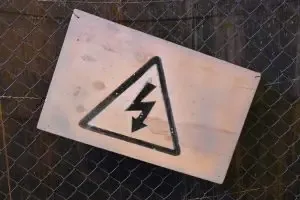 Poor electrical planning is responsible for many service calls we receive for residential gate repair.
Electrical installation errors include:
- Running electrical lines without proper conduit protection, exposing them to damage
- Failing to install GFCI protection for outdoor electrical components3
- Undersizing the gate opener for the gate’s weight and usage frequency
- Not providing adequate surge protection for sensitive control boards
- Ignoring backup power options, leaving gates inoperable during outages
- Placing control boxes in locations exposed to direct weather or sprinkler systems
How to avoid this mistake:
Any electrical work should meet or exceed local building codes. For home gate installation with automation, the power supply should run through buried conduit (at least 18 inches deep) from a dedicated circuit. The gate opener should be rated for at least 25 percent more than your gate’s actual weight to prevent motor strain.
Solar-powered options are becoming increasingly popular for remote gate locations, but they require proper battery backup systems and regular maintenance. If you are in an area with frequent power outages, consider a battery backup system or a manual release mechanism so you are never locked in or out of your property.
Professional installers will also include safety sensors (photo eyes) to prevent the gate from closing on vehicles, people, or pets. These sensors must be properly aligned and protected from weather and debris to function reliably.
Mistake #6: Neglecting Drainage and Grade Issues
Water is the enemy of most gate installations. Poor drainage causes posts to shift, foundations to crack, and automated systems to fail. Grade issues affect how the gate swings and can cause binding or dragging.
Drainage and grade mistakes include:
- Installing gates in low spots where water pools during rain
- Failing to slope the area away from post foundations
- Not accounting for seasonal ground swelling or frost heave
- Ignoring how water runoff will affect the gate’s swing path
- Placing control boxes or electrical components in areas prone to flooding
How to avoid this mistake:
Evaluate your property during and after rain to identify drainage patterns. Post holes should include gravel at the bottom for drainage, and the surrounding grade should slope away from the posts. For properties with significant drainage issues, you may need to install French drains or adjust grading before gate installation.4
On sloped driveways, careful planning is essential. The gate might need to be mounted higher on the uphill side or designed with a staggered bottom rail to accommodate the grade. The best gate installation contractors can recommend solutions specific to your property’s topography.
Mistake #7: Ignoring Local Building Codes and Regulations
Every jurisdiction has specific requirements for gate installations, particularly for automated systems and gates near public roadways. Ignoring these regulations can result in fines, required removal, or liability issues if someone is injured.
Regulatory oversights include:
- Installing gates without the required permits
- Failing to meet setback requirements from property lines or roadways
- Not including required safety features for automated gates
- Ignoring HOA design guidelines and approval processes
- Installing gates that obstruct sight lines at intersections or driveways
How to avoid this mistake:
Before beginning any residential gate installation, check with your local building department about permit requirements. In Greenville and the surrounding areas, regulations may vary by municipality. Most jurisdictions require permits for automated gates and have specific safety requirements.
Your HOA may also have design restrictions regarding gate height, style, color, and materials. Getting approval before installation prevents the nightmare of having to remove or replace a non-compliant gate. Experienced entry gate installers are familiar with local codes and can guide you through the approval process.
Mistake #8: DIY Installation Beyond Your Skill Level
There is nothing wrong with DIY projects, but gates—especially automated residential driveway gates—often involve carpentry, concrete work, electrical systems, and precise measurements. 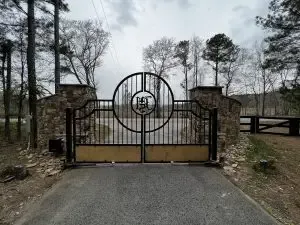 Underestimating the complexity leads to costly do-overs.
DIY pitfalls include:
- Lacking the proper tools for post installation, leveling, and alignment
- Underestimating the physical demands of handling heavy gates and materials
- Making irreversible mistakes in permanent installations, like concrete work
- Compromising safety by improperly installing automated systems
- Spending more on repeated attempts and corrections than professional installation would have cost
How to avoid this mistake:
Honestly assess your skills, tools, and available help before committing to DIY. Simple manual gates on level ground might be manageable for experienced DIYers, but automated systems, complex hardware, or challenging terrain warrant professional help.
Getting quotes from multiple contractors for gate installation cost comparisons often reveals that professional installation is not as expensive as you might think when you factor in tool rentals, material waste from mistakes, and your time.
Find Professional Gate Installation Near You
A properly installed gate should provide decades of reliable service with minimal maintenance. By avoiding these common mistakes—or by choosing experienced professionals who know how to prevent them—you will enjoy the security, privacy, and convenience that a quality gate system provides.
If you are searching for the best gate installation Greenville has to offer, consider Door Tech. We will assess your property, discuss your options, and provide a comprehensive plan that avoids these common mistakes from day one. Contact us today for a free consultation and quote.
References
- Kathy Hunt, “Standards for the Hidden Dangers of Gates,” ASTM International, March 2025, https://www.astm.org/news/standards-for-hidden-dangers-of-gates.
- Antonio Zavarce, “Understanding and preventing galvanic corrosion,” Inspenet, June 2024, https://inspenet.com/en/articulo/preventing-galvanic-corrosion/.
- “Ground Fault Circuit Interrupters (GFCIs), Safe Electricity.org, retrieved on October 27, 2025, from: https://safeelectricity.org/ground-fault-circuit-interrupters-gfcis/.
- Timothy Dale, “What Is a French Drain?” The Spruce, August 2024, https://www.thespruce.com/what-is-a-french-drain-5218038.
Janson Marchbanks is a native South Carolinian who has worked in the garage door industry his entire adult life (and started well before that, helping his father, Jason, with the family business he founded in 2004). He carries on the family tradition of excellence in the garage door industry that has made Door Tech a trusted name in the Upstate area for more than two decades—including accreditation with the Better Business Bureau. Janson represents the next generation of garage door professionals dedicated to providing reliable, honest service at fair prices. He also wants his customers to be as informed as possible when it comes to the operation and maintenance of their garage doors, ensuring longevity, functionality, and safety for their home and everyone in it.