Learn more about garage door safety features and how they can keep your home, and everything in it, safe.

Key Points
In today’s world, where home security is more than just locking your front door, garage door safety features have become essential for homeowners. According to the U.S. Consumer Product Safety Commission’s National Electronic Injury Surveillance System (NEISS), which maintains data on the cause of injuries, from 2018 to 2022, approximately 13,325 people were treated in emergency departments for injuries related to garage doors and door openers.1
Your garage door is not only the largest moving object in your home but also a primary entry point that deserves proper security attention. Installing and maintaining garage door sensors and other safety mechanisms is crucial for protecting your family, pets, and belongings from potential accidents and security breaches.
That is why we have put together a guide to help customers understand the importance of garage door safety features and which ones they need for their unique home or business. The information below will walk you through everything you need to know about creating the safest garage environment possible.
Understanding the Importance of Garage Door Safety
As mentioned, garage door accidents account for thousands of injuries annually, many of which could have been prevented with proper safety measures. From pinched fingers to cuts, scrapes, and more serious incidents, an improperly secured garage door poses significant risks.
Garage doors often weigh hundreds of pounds, creating a hazard that poses a threat to residents, pets, vehicles, belongings in the garage, and the infrastructure of the building.2 Additionally, a vulnerable garage door can provide easy access for intruders into your home.
The good news is that modern garage safety technology offers many solutions to mitigate these risks. By implementing the right combination of safety features, you can create a secure environment that protects what matters most.
Garage Door Sensors: Your First Line of Defense
Garage door sensors, which cause lowering doors to reverse when obstructed, are one of the most important components of a garage door system.
How Garage Door Sensors Work
Garage door sensors are photoelectric devices that work by emitting an invisible infrared beam across the garage door opening.3 When this beam is interrupted while the door is closing, it immediately signals the opener to stop and reverse direction, preventing the door from closing on whatever broke the beam.
Typically installed about six inches above the ground on either side of the garage door opening, these sensors are mandated by law in the United States for all garage doors manufactured since 1993.4 This regulation came after numerous accidents involving children and pets becoming trapped under closing garage doors.
A properly functioning garage door sensor system requires:
- Correct installation with sensors directly facing each other
- Clean lenses free from dirt and debris
- Secure wiring connections
- Protection from physical damage or misalignment
Regular testing of these sensors is essential. Simply place an object in the path of the sensors while the door is closing – the door should immediately reverse. If it does not, contact a professional for garage door repair Anderson SC residents can trust.
Advanced Safety Features for the Safest Garage Door
While sensors provide basic protection, additional features can enhance your garage door’s safety.
Auto-Reverse Mechanism
The auto-reverse feature works as a secondary safety measure if your sensors fail. This mechanism detects resistance when the door comes into contact with an object while closing. Upon detecting unusual resistance, it automatically reverses direction.
To test this feature:
- Place a rolled-up towel or piece of wood on the floor where the door will close
- Close the door
- When the door contacts the object, it should immediately reverse
If your door fails this test, contact specialists in overhead doors for immediate adjustment.
Manual Release Mechanism
During power outages or system failures, a manual release allows you to operate the door by hand. Typically identified by a red handle hanging from the opener trolley, this mechanism disengages the door from the automatic opener.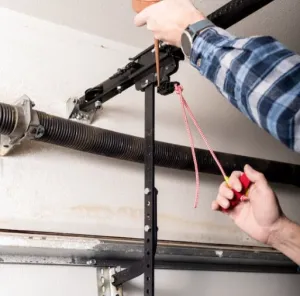
Every family member should know how to:
- Locate the release handle
- Pull it to disengage the door
- Safely lift and lower the door manually
- Re-engage the automatic system when power returns
Rolling Code Technology
Modern openers use rolling code technology that changes your remote’s access code after each use. This prevents code-scanning devices from capturing and replicating your remote’s signal – an increasingly common method burglars use to gain unauthorized access.
Battery Backup Systems
A battery backup ensures your garage door remains operational during power outages, maintaining both convenience and security when you need it most. This feature is particularly valuable during severe weather events or in areas with unreliable power.
Garage Door Jammers
A garage door jammer provides an additional layer of security against forced entry. These devices physically block the door from being opened from the outside, even if someone bypasses your electronic security.
Types of garage door jammers include:
- Floor-mounted locks: These bolt directly into your garage floor and secure to the inside of your door
- Side locks: Installed on the door tracks to prevent the door from moving
- Padlock systems: Allow you to lock the emergency release mechanism
- Smart jammers: Can be remotely activated and monitored via smartphone apps
Smart Integration for Enhanced Garage Safety
Today’s smart home technology offers unprecedented control and monitoring capabilities for your garage. These include the following safety measures and features.
Remote Monitoring
Wi-Fi-enabled garage door openers allow you to:
- Check if your door is open or closed from anywhere
- Receive alerts when the door is activated
- View real-time video of your garage
- Control access remotely
Scheduled Operation
Program your door to automatically close at specific times. Among other conveniences and protections, this eliminates the risk of accidentally leaving it open overnight.
Integrated Lighting
Motion-activated lighting inside and outside your garage deters potential intruders and provides safe navigation in low-light conditions.
Voice Control Integration
Compatible systems can integrate with smart home assistants like Amazon Alexa or Google Home, allowing for voice-controlled operation.
Professional Installation vs. DIY
While some safety features can be installed as DIY projects, others require professional expertise. Consider these factors when deciding:
When to DIY:
- Simple sensor cleaning and maintenance
- Basic remote programming
- Installation of interior padlocks or simple jammers
- Setting up smartphone apps
When to Call Professionals:
- Initial installation of garage door systems
- Repair of malfunctioning sensors or safety mechanisms
- Torsion spring repair or replacement (these are under extreme tension and can cause serious injury)
- Complex electronic integrations
- Security system connections
Maintaining Your Garage Door Safety Systems
Even the safest garage door requires regular maintenance to keep its safety features functioning properly.
Monthly Maintenance Checklist:
- Test photo-eye garage door sensors by breaking the beam during operation
- Check auto-reverse functionality with an obstruction test
- Examine doors for signs of wear, damage, or imbalance
- Lubricate moving parts according to manufacturer recommendations
- Verify that all safety locks and jammers engage properly
- Test the manual release operation
- Check backup battery systems (if applicable)
When to Replace Safety Components:
- Sensors that consistently malfunction despite cleaning and realignment
- Door openers manufactured before 1993 (lack mandated safety features)
- Systems that fail safety tests after adjustment attempts
- After signs of attempted break-ins
- Following significant door damage from impacts
Special Considerations for Families with Children and Pets
Households with young children or pets should take additional precautions:
- Install button-style wall controls at least 5 feet above the floor
- Use remote controls only with responsible family members
- Establish clear rules about garage door operation
- Consider a keypad entry system with a unique child code that notifies parents when used
- Install a pet barrier inside the garage to prevent animals from getting near the door
- Use bright floor markings to indicate danger zones where the door operates
Professional Assessment and Upgrades
Technology and security standards evolve rapidly. Consider scheduling a professional assessment every two to three years to identify opportunities for safety upgrades. Specialists in overhead doors can provide evaluations of your entire system and recommend improvements based on the latest safety technologies.
Learn More About Garage Door Safety Features
Creating a safe garage environment requires a multi-layered approach that combines properly installed and maintained garage door sensors, mechanical safety features, smart technology, and regular inspections. The investment in these safety measures is minimal compared to the protection they provide for your family and property.
Remember that even the most advanced safety features require routine testing and maintenance to function properly. By following the guidelines in this comprehensive guide, you can enjoy the convenience of an automatic garage door system while minimizing associated risks.
For professional installation, repair, or assessment of your garage door safety systems, give us a call. We specialize in commercial and residential garage door installation, service, and repair. We can also recommend safety features that suit your lifestyle, goals, and budget.
References
- “NEISS Highlights, Data and Query Builder,” United States Consumer Product Safety Commission, April 2025, https://www.cpsc.gov/cgibin/NEISSQuery/home.aspx.
- Matt Greenfield, “How Heavy Are Garage Doors: Weight Estimation Guide,” Today’s Homeowner, March 2025,
https://todayshomeowner.com/garage/guides/garage-doors-weight/. - “Photoelectric Effect,” Isaac Physics, retrieved on May 5, 2025, from: https://isaacphysics.org/concepts/cp_photoelectric_effect.
- “Safety Standard for Automatic Residential Garage Door Operators,” A Rule by the Consumer Product Safety Commission, July 2018, https://www.federalregister.gov/documents/2018/07/13/2018-14909/safety-standard-for-automatic-residential-garage-door-operators.